

SPAM: Software for Practical Analysis of Materials
For any questions that the documentation failed to answer, for suggestions or bug reports please join us in our chat room. You can also participate in one of our yearly workshop to meet us in person.
 Strain
Camera
Global Digital Image Correlation
Invisible to the eye.
Measured by spam.
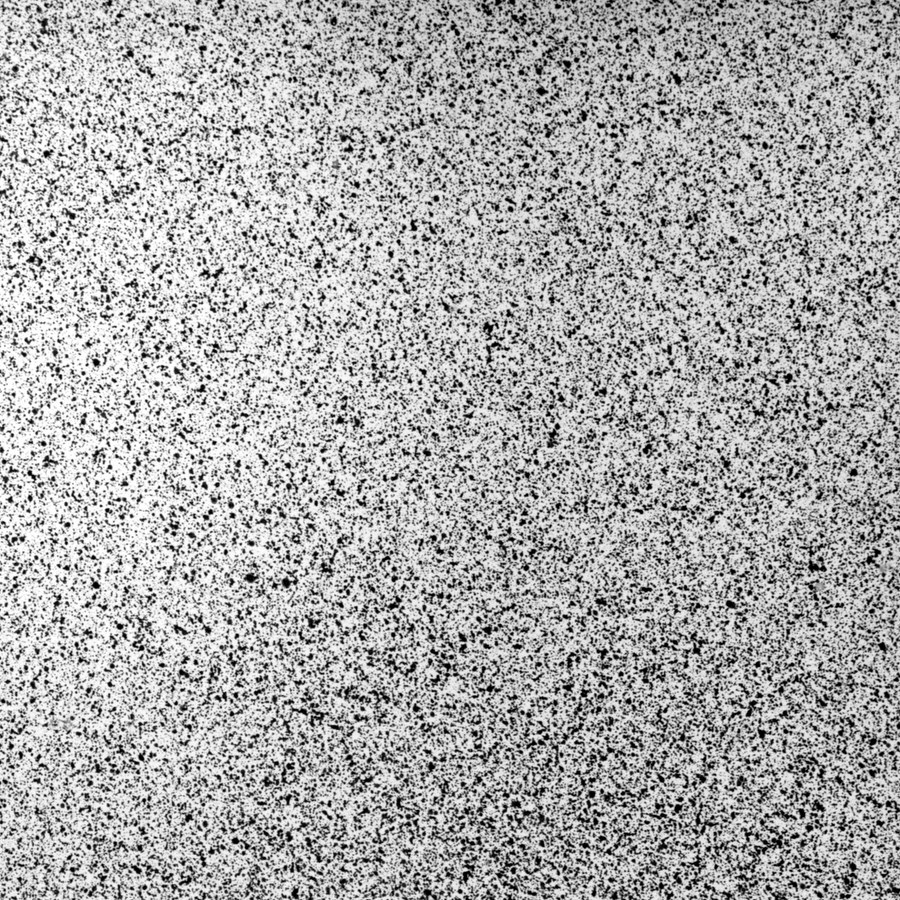
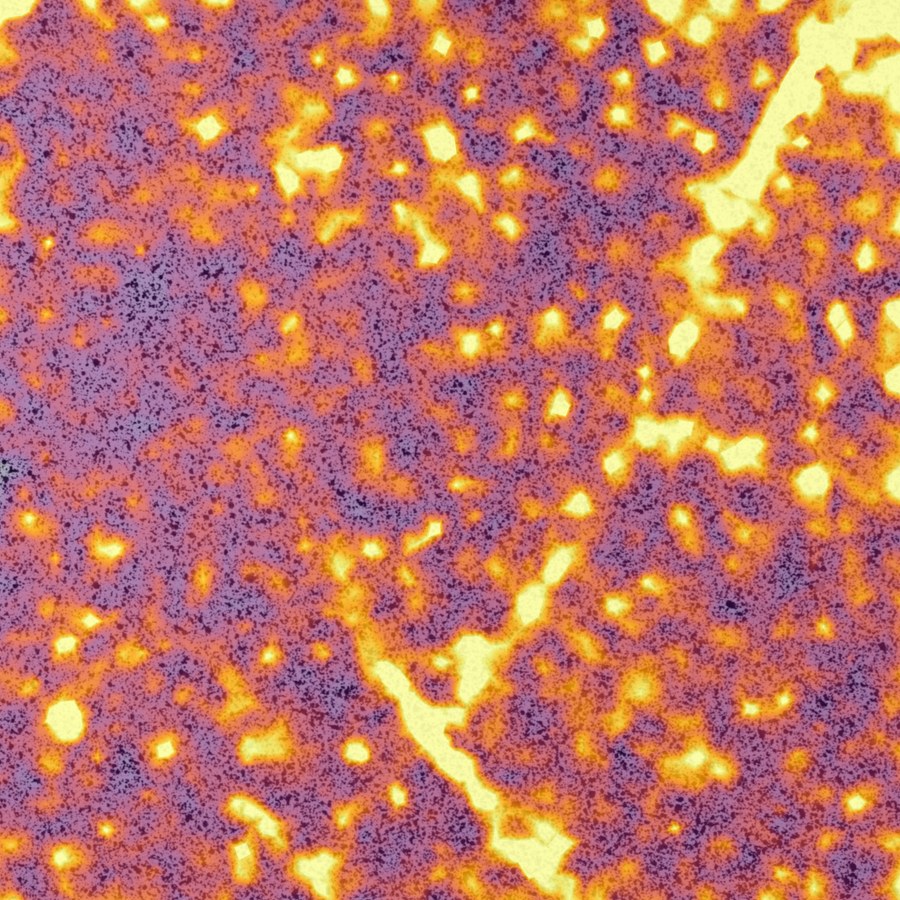
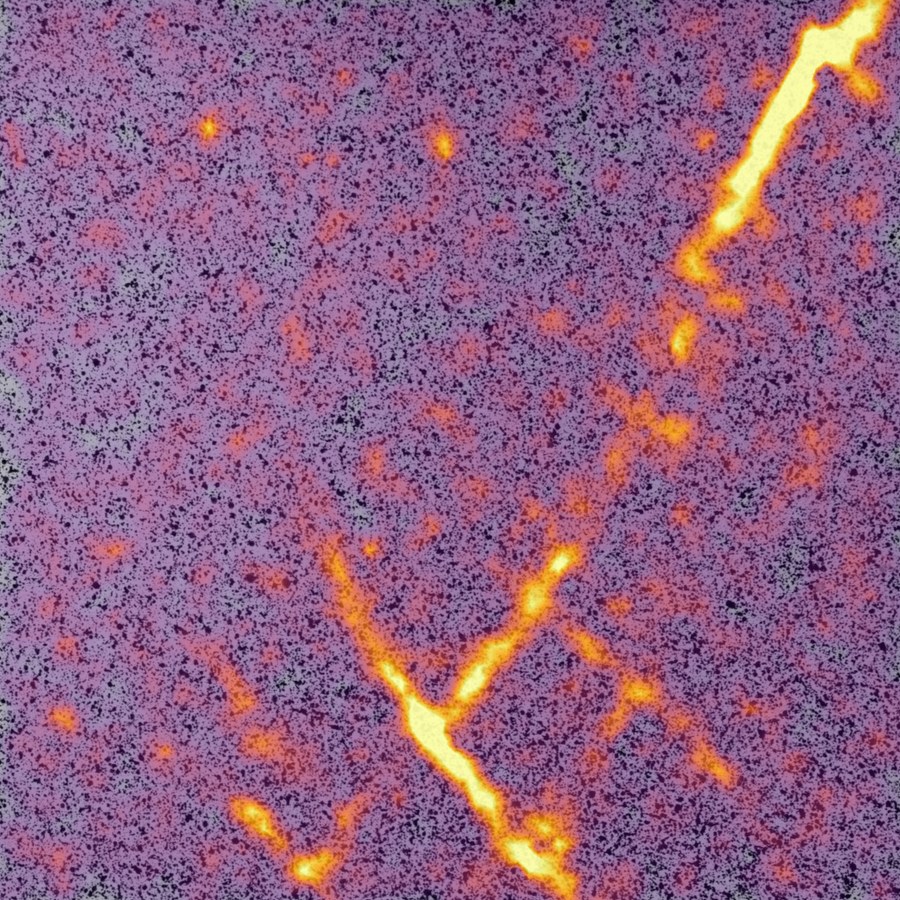
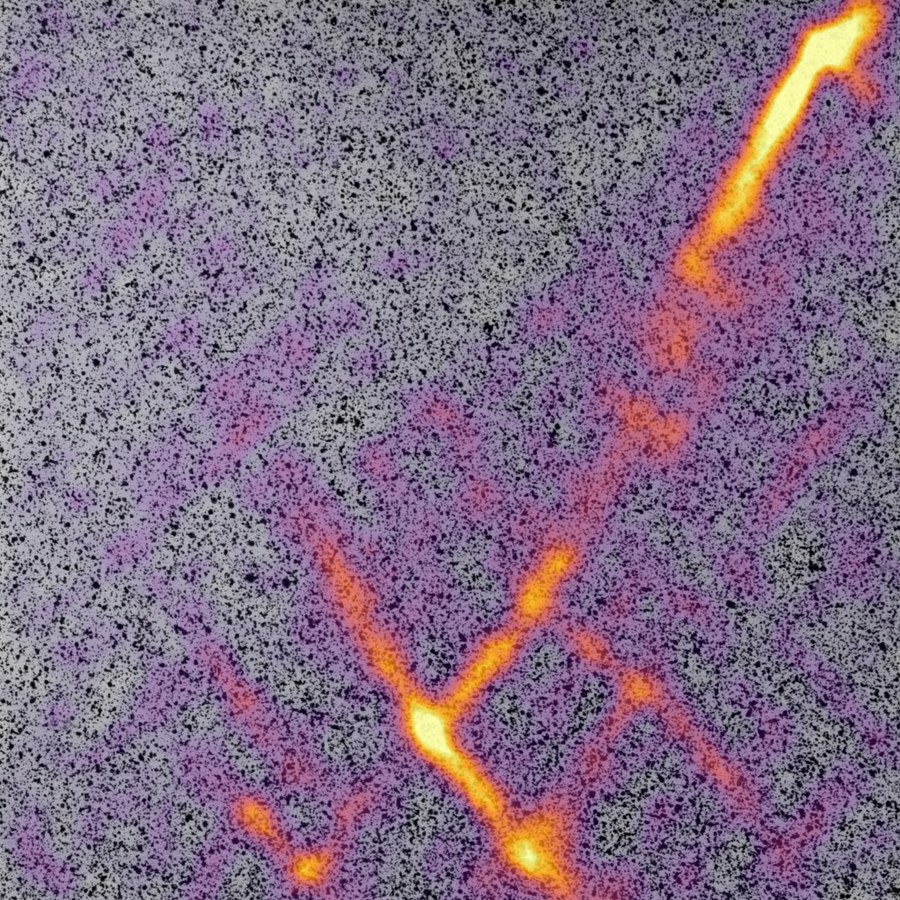
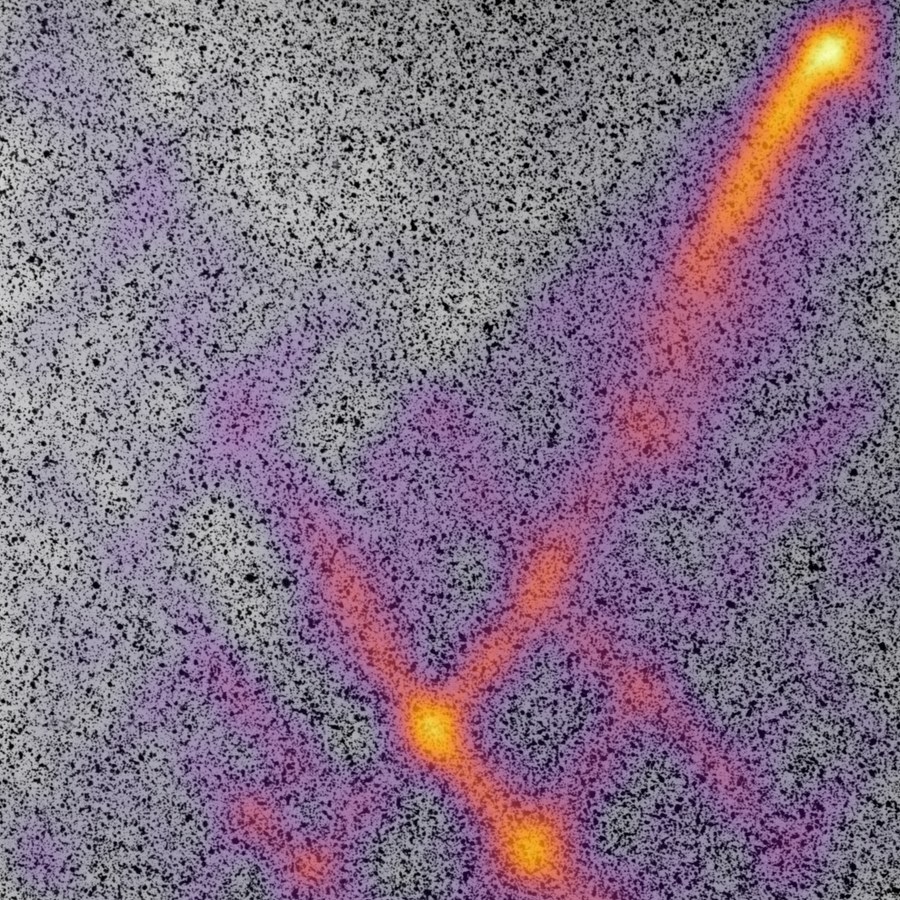
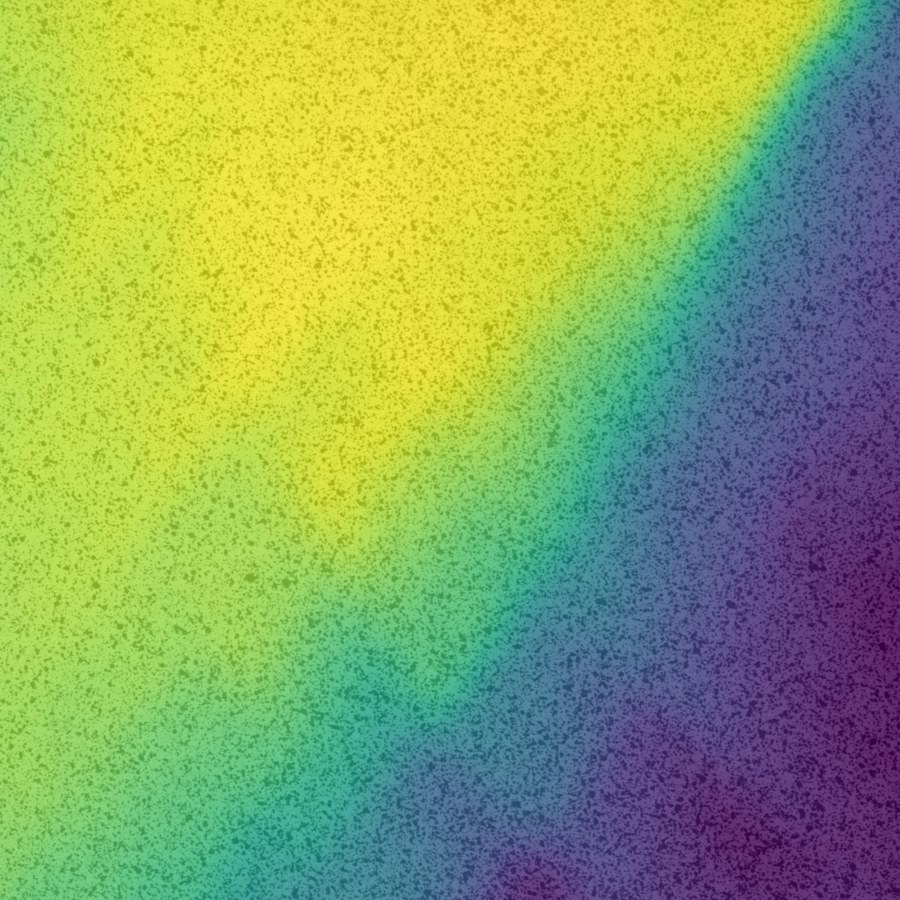
Two photographs of a sandstone, taken before and after loading in the true triaxial cell of Laboratoire 3SR, look identical. Global DIC finds the shear bands forming inside.
- Mesh
- Displacements are solved on a finite-element mesh covering the whole image, not on independent patches.
- Mechanical regularisation
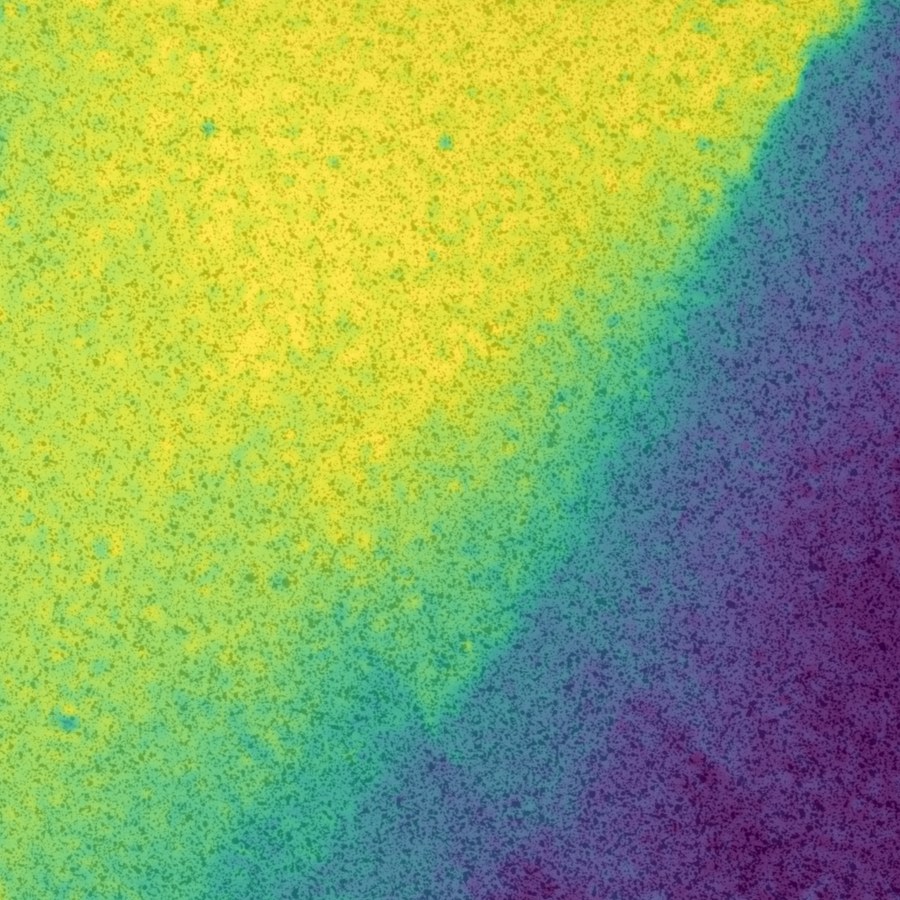
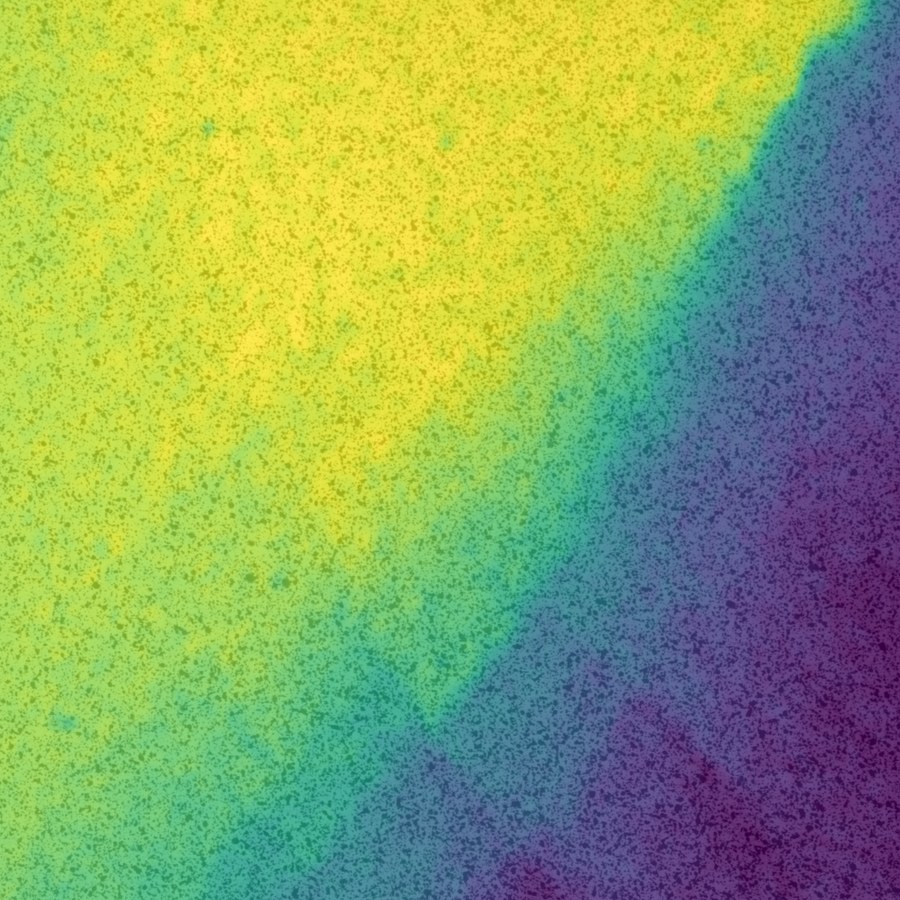
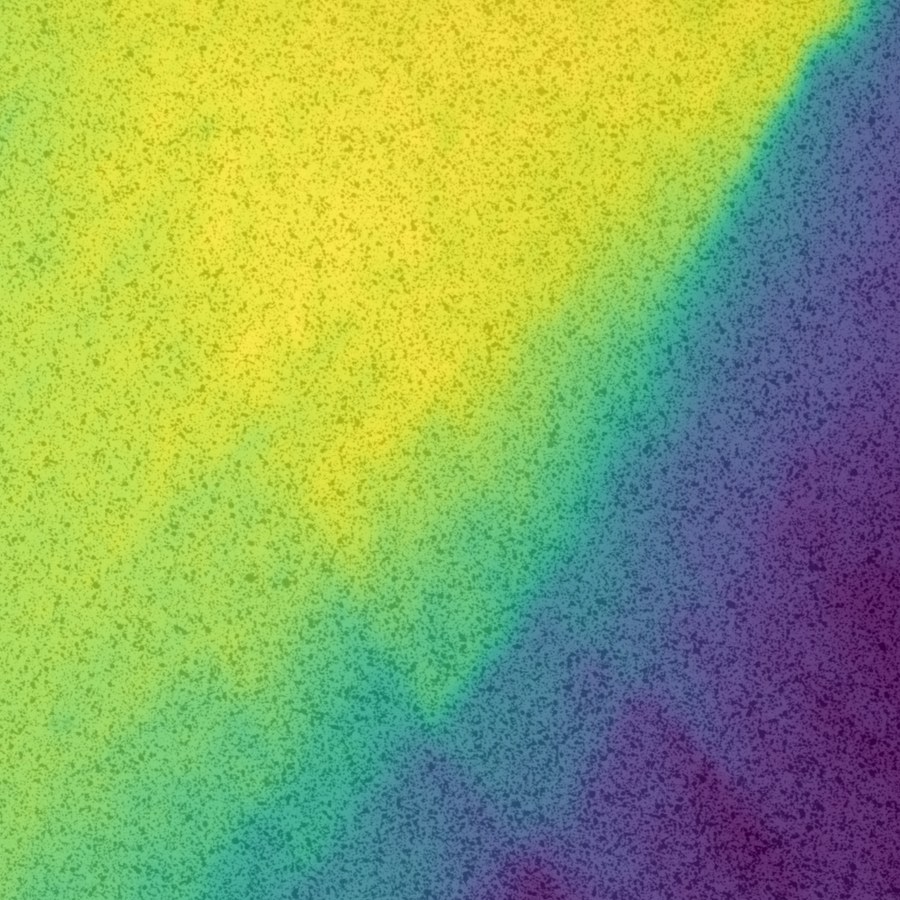
- Fields that are not mechanically admissible below a length ξ are filtered out (Mendoza et al., 2019). This is what makes such a fine mesh usable: switch it off under the image to see.
- Result
- The displacement field shows blocks of rock moving almost rigidly; the deviatoric strain shows where the deformation localises between them, into shear bands.
Global DIC · in the field
Correlating a mountain
under a moving sun.
Tsarmine, in the Arolla valley (Swiss Alps), is a destabilised rock glacier, 500 m long, creeping several metres a year. An autonomous drone flew over it every week of summer 2025, but from one flight to the next the sun and the shadows move. So global DIC does not correlate the photographs: it correlates the geometry of the ground, through hillshades of the elevation models.
- Autonomous drone
- A solar-powered docking station next to the site flew 16 weekly surveys, July to October 2025. Photogrammetry gives orthoimages and elevation models at a few centimetres per pixel; the orthoimages, under the relief, show how much the light changes between flights.
- Geometry, not light
- Each elevation model is shaded under the same artificial light: only the relief changes between these hillshades. Global DIC tracks them on 78 000 triangles of 1.5 m, mechanically regularised over 6 m, and the elevation models give the vertical component. The longitudinal strain shows where the rock glacier stretches and compresses, the shear strain the margins where it slides past the stable ground.
- Checked on the ground
- A permanent GNSS station rides on the rock glacier: in 3D, DIC agrees with it within a few centimetres all summer long, on displacements reaching 2 m.
Data: S. Vivero, E. Roubin, E. Andò, G. Ruggiero, S. Bonetti (CHANGE, EPFL · Laboratoire 3SR · EPFL Center for Imaging · Fieldwork SA).
# install the pip module
pip install spam
>>> import tifffile
>>> import spam.DIC
>>> # load your images
>>> im1 = tifffile.imread("im1.tif")
>>> im2 = tifffile.imread("im2.tif")
>>> # and register them
>>> spam.DIC.register(im1, im2)
SPAM won the 2024 edition of an Open Source Software for research prize by the French Ministry of Higher Education and Research.
We are delighted to have received this prize, as it aligns with the values and principles that we hold dear such as open source distribution, documented features and community driven developement.
SPAM wouldn't be what it is today without its thriving community and we can't thank you enough for that.

Check out our yearly workshops
Workshop in Athens (2027) Registrations are open
From Monday the 28th to Friday the 2nd of July 2027, Athens (Greece).
Workshop in Dresden (2025) Registrations are closed
From Sunday the 9th to Thursday the 13th of November 2025, Dresden (Germany).

Margaretenhof goup photo

Working session

Jäckelfels crags... figuring out the betas

Entering Pfaffenstein
Cite the paper
Cited 181 times as of 2026/09/30. Click below to see the list of articles:
-
Integrating Machine Learning And Pore-Scale Physical Properties For Enhanced Permeability Prediction Of Porous Rocks
Zhu, Fan, Jia, Shao - 2026/03 -
3D Particle Aggregation In Consolidated Clay Systems: Insights From Phase-Contrast Nano-Holo-Tomography
Casarella, Pinzón, Sadasivan, Stamati, Villanova, Lukić, Dijkstra - 2026/02 -
Experimental Investigation And Analysis Of Monotonic And Cyclic Behaviour Of A Natural Sand In Intact And Reconstituted States
Yang, Peng, Zhang, Li, Luo, Ma, Wang - 2026/02 -
Operando 5D Tomography Uncovers Carbonation-Driven Water Transport And Cracking In Hydrated Cement Paste
El Faqir, Tengattini, Huet, Briffaut, Dal Pont - 2026/01/14 -
Mechanical Response Of Porous Aggregates Pre And Post Fire-Related Degradation: A Multi-Scale Evaluation Via X-ray Computed Tomography And Discrete Element Modelling
Yiouta-Mitra, Karatza, Nomikos, Badogiannis - 2026/01/10